
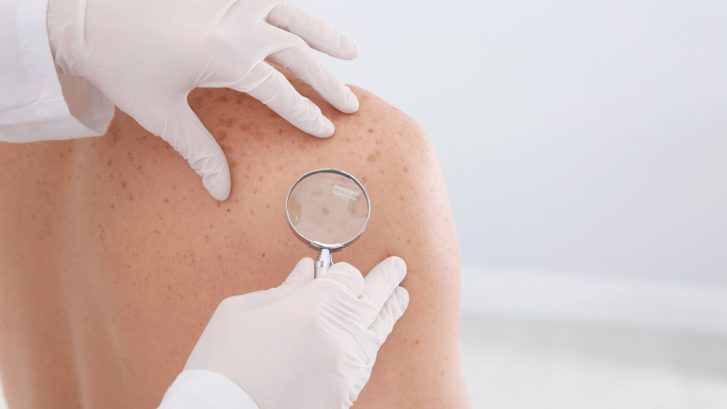
Skin changes often develop slowly, which makes them easy to overlook or dismiss. However, recognizing early skin cancer warning signs is an important part of protecting long-term skin health.
While not every spot indicates a serious issue, certain changes should prompt closer attention.
Many individuals wait to see if a mark improves on its own, but monitoring patterns carefully can help determine when it may be time to book a dermatology appointment rather than relying on observation alone.
Changes In Existing Moles or Spots
One of the most common skin cancer warning signs involves noticeable changes in long-standing moles. A mole that begins to grow, shift in shape, or develop uneven borders may indicate changes occurring beneath the surface of the skin.
Subtle differences often appear gradually, which is why routine observation is important. A spot that once appeared symmetrical may slowly become irregular or develop edges that seem less defined.
Texture changes may also provide important clues. A mole that becomes raised, rough, or develops a different surface compared to surrounding skin can signal evolving tissue changes.
Even when discomfort is not present, these structural differences may suggest that evaluation is appropriate. Monitoring changes over time helps distinguish between natural variation and developments that may require further assessment.
The Appearance of New Growths
New growths that stand out from surrounding skin may also represent skin cancer warning signs. While many bumps or patches are benign, those that appear suddenly or differ in color or texture deserve attention. A pearly bump, firm nodule, or scaly area may not cause pain but can still indicate underlying changes.
Comparing new spots to existing moles can help identify whether they are typical or require review. Growth that look noticeably different from others on the body often benefit from professional evaluation.
When a spot appears unlike neighboring moles, it may signal that further examination is needed.
Spots That Do Not Heal
A sore that persists for several weeks is one of the more important skin cancer warning signs to recognize. Lesions that repeatedly scab, bleed, or reopen after appearing to heal may reflect deeper changes in the skin.
Non-healing spots are frequently overlooked because they seem minor at first. However, ongoing irritation or repeated breakdown of the skin barrier can indicate underlying abnormalities that require evaluation.
Monitoring healing patterns helps determine when a dermatology visit may be appropriate.
Changes In Sensation or Surface
Skin that begins to itch, feel tender, or develop scaling may also reflect skin cancer warning signs. While discomfort is not always present, new sensations can signal inflammation or structural change.
Crusting, increased sensitivity, or subtle thickening of the skin may suggest that a spot is evolving rather than resolving. Monitoring these changes helps determine when professional review may be beneficial.
When A Spot Looks Different from Others
Another important clue when evaluating skin cancer warning signs is whether a spot stands out compared to surrounding moles. A growth that appears noticeably darker, lighter, or shaped differently than others on the body may deserve closer attention. These “outlier” spots often signal that something is behaving differently beneath the surface.
Monitoring whether one mole evolves while others remain stable can help identify changes that require evaluation. When a spot consistently looks unlike neighboring moles or begins to change independently, it may be time to seek professional assessment rather than continue observation.
When To Book A Dermatology Appointment
Recognizing skin cancer warning signs early supports timely care and improved outcomes. Changes in size, appearance, healing patterns, or sensation are all reasons to consider scheduling an evaluation.
If you are noticing skin cancer warning signs, care is available at Mid-Atlantic Skin Surgery Institute. Call 301-396-3401 to request your dermatology appointment today.