
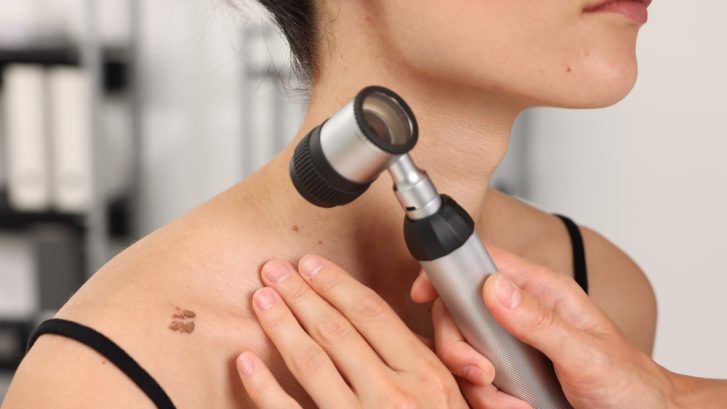
Most moles are harmless and remain unchanged for years. However, when a mole begins to look or feel different, it may signal the need for prompt medical attention.
Recognizing concerning moles in Dunkirk, Maryland early can make a meaningful difference in diagnosis and treatment outcomes.
Many people are familiar with watching for size changes, but other warning signs are just as important. Understanding what to monitor helps determine when it’s time to request a dermatology evaluation instead of waiting for changes to resolve on their own.
Changes In Size, Shape, Or Border
One of the most noticeable signs of concerning moles in Dunkirk, Maryland is a shift in size or outline. A mole that begins to grow rapidly or develops uneven edges may indicate abnormal activity within the skin. While gradual change can occur naturally over time, sudden differences are more significant.
A border that appears jagged, blurred, or asymmetrical often signals that the mole should be evaluated. These changes may not cause discomfort but can still represent important developments beneath the surface.
Uneven Or Darkening Color
Color variation is another important indicator of concerning moles in Dunkirk, Maryland. Moles that develop multiple shades, become darker, or show areas of fading may reflect changes in pigmentation patterns.
Uneven coloring can appear subtle at first but may become more noticeable over time. Monitoring for shifts from tan or brown to darker tones, or the appearance of black, gray, or reddish areas, helps identify when evaluation may be needed.
New Sensations or Surface Changes
Moles are usually painless and stable. When itching, tenderness, or bleeding occurs, it may be a sign of concerning moles in Dunkirk, Maryland. Surface changes such as crusting, scaling, or oozing can also indicate irritation or more serious concerns.
These symptoms often suggest that the skin structure is changing, which makes professional assessment important even if the mole appears small.
The Sudden Appearance of New Moles
New moles can develop over time, but the rapid appearance of a new spot in adulthood may be one of the more notable signs of concerning moles in Dunkirk, Maryland. Growths that differ in color, shape, or texture from existing moles are especially important to monitor.
Comparing new spots with long-standing moles may help determine whether the change is typical or requires closer review.
Why Monitoring Changes Over Time Matters
Tracking changes is one of the most effective ways to identify concerning moles in Dunkirk, Maryland before they progress. A mole that evolves slowly may not seem alarming at first, but patterns over time can reveal important differences.
Noticing shifts in texture, height, or firmness can be just as meaningful as changes in size or color. Some moles may begin to feel raised, rough, or develop a different surface compared to surrounding skin.
It is also important to observe whether a mole begins to stand out from others on the body. When one spot appears noticeably different in appearance or behavior, it may signal the need for evaluation.
Concerning moles in Dunkirk, Maryland are often identified through comparison rather than a single dramatic change. Paying attention to gradual differences helps support earlier detection and allows for more timely dermatologic care.
When To Request a Dermatology Evaluation
Recognizing concerning moles in Dunkirk, Maryland early allows for timely care and improved outcomes.
Changes in size, border, color, sensation, or the appearance of new growths are all signs that a dermatology visit may be needed. Prompt evaluation supports both peace of mind and long-term skin health.
If you are noticing concerning moles in Dunkirk, Maryland, care is available at Mid-Atlantic Skin Surgery Institute. Call 301-396-3401 to request your dermatology evaluation today.