
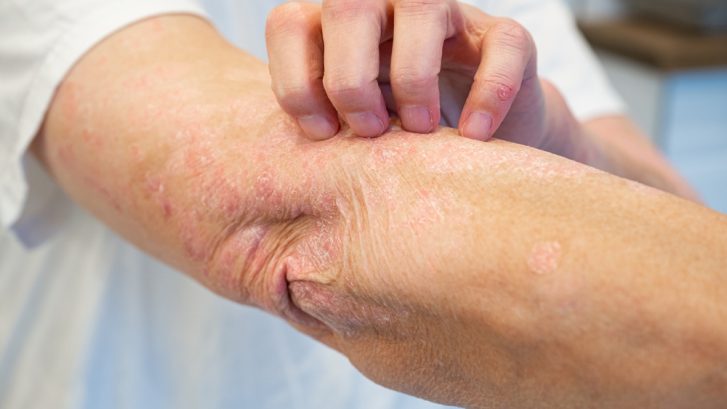
A rash that pops up after yard work, a new soap, or a hot day can be annoying, but it’s not always a big deal. The problem is when the rash doesn’t fade, keeps coming back, or starts changing.
Persistent rashes in Huntingtown, Maryland can be caused by common issues like eczema or contact dermatitis, but they can also reflect infections, chronic inflammation, or other conditions that need targeted treatment.
If you’ve been stuck in a cycle of flare, calm, and flare again, it may be time to stop guessing and get a clear answer.
When A Rash Lasts More Than Two Weeks
Most short-term rashes improve within days once the trigger is removed. If a rash is still present after two weeks, or it improves slightly and then stalls, that’s a clue the underlying issue hasn’t been addressed.
Persistent rashes in Huntingtown, Maryland may be linked to eczema, allergic reactions, medication sensitivity, or irritant exposure that keeps happening without you realizing it.
The location of the rash matters too. Hands, eyelids, under jewelry, and areas exposed to plants or cleaning products can point toward contact dermatitis.
A dermatologist can help identify patterns, rule out look-alike conditions, and recommend treatments that calm inflammation rather than just masking symptoms.
When It Keeps Returning in The Same Spot
A rash that repeatedly reappears in the same area often suggests a trigger that hasn’t been identified or a condition that needs longer-term management. Persistent rashes in Huntingtown, Maryland may flare due to stress, sweat, friction, fragrance, nickel, certain fabrics, or even repeated exposure to a household product.
It’s also common for people to rotate over-the-counter creams that temporarily reduce redness while the root cause remains. Recurring rashes can be especially frustrating because they create the illusion of improvement, then return at the worst times.
A dermatology visit can help determine whether you’re dealing with a chronic inflammatory condition, an allergy, or a treatment-resistant irritation that needs a different approach.
When The Rash Changes, Spreads, Or Looks Infected
If the rash starts spreading, thickening, cracking, or changing color, it’s a strong reason to get evaluated. Persistent rashes in Huntingtown, Maryland that become scaly may resemble psoriasis, while ring-shaped or expanding patches may suggest a fungal infection.
A rash that oozes, forms crusts, becomes increasingly painful, or feels warm to the touch may indicate infection, which often requires prescription therapy.
Another important factor is whether the rash is accompanied by swelling, blisters, or open skin. Once the skin barrier is compromised, irritation can worsen quickly, and secondary infection becomes more likely. Getting the diagnosis right early helps avoid using the wrong treatment, which can prolong symptoms and increase discomfort.
When Symptoms Affect Sleep, Work, Or Daily Comfort
When itching, burning, or tenderness is constant, quality of life takes a real hit. Persistent rashes in Huntingtown, Maryland that interrupt sleep can leave you feeling run down and can increase scratching, which inflames skin further and slows healing.
If you’re avoiding exercise, outdoor activities, or certain clothing because your rash is uncomfortable, that’s also a sign it’s time to seek care.
Dermatology treatment often focuses on reducing inflammation, restoring the skin barrier, and preventing flare-ups through a plan that fits your lifestyle. That may include prescription topicals, guidance on trigger avoidance, or treatment for underlying conditions that are keeping the rash active.
When To Schedule A Dermatology Visit
If persistent rashes in Huntingtown, Maryland last longer than two weeks, keep returning, change in appearance, spread, or significantly affect your comfort, a dermatology evaluation is the next smart step.
The goal is not just to calm today’s flare, but to identify the cause so you can prevent the next one.
For evaluation and treatment, visit Mid-Atlantic Skin Surgery Institute. Call 301-396-3401 to request a dermatology appointment.